
Face Yoga vs Facial Massage: What's the Difference?
They may look similar from the outside, but facial movement and facial massage work in very different ways.
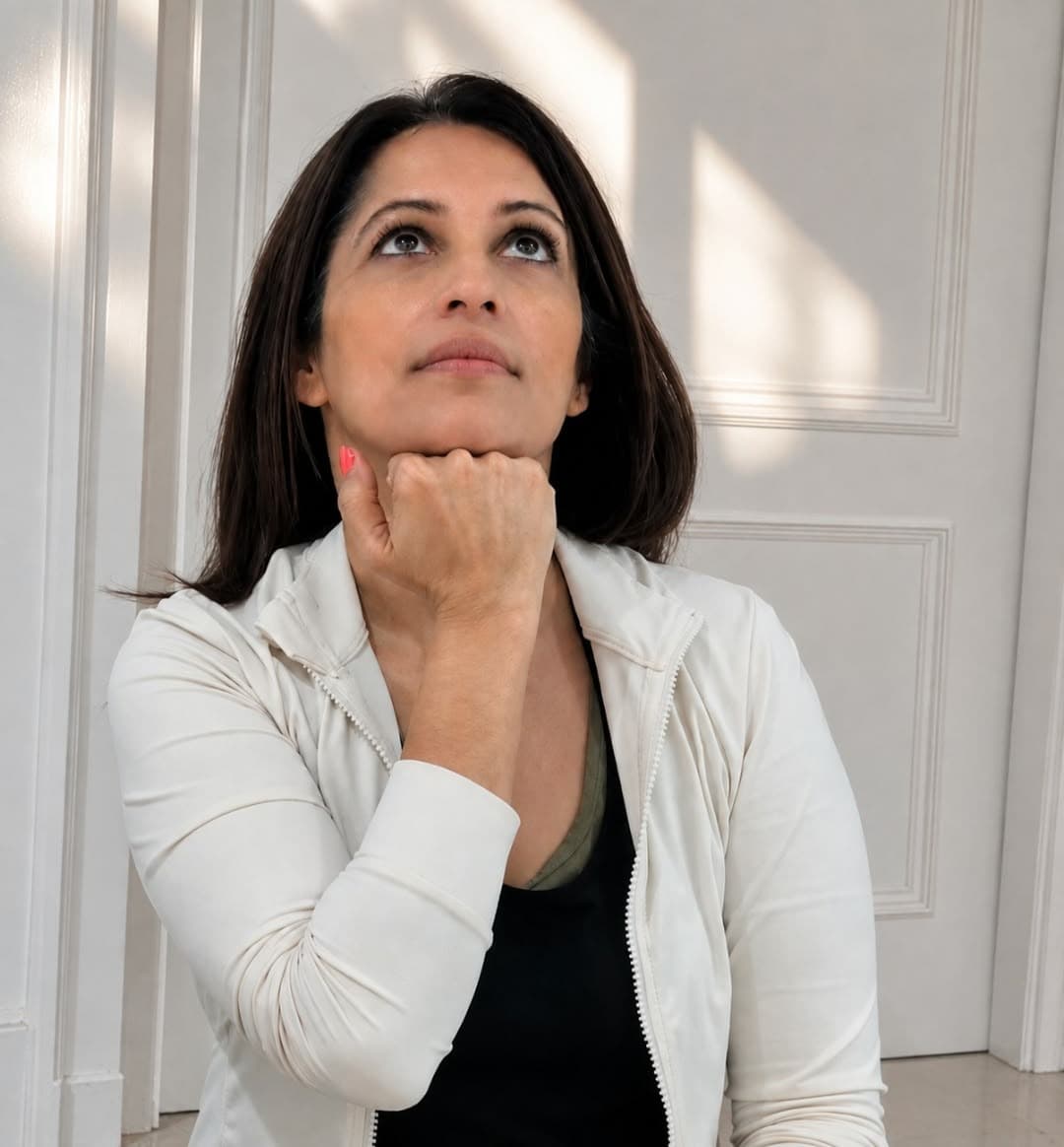
Face yoga and facial massage are often placed in the same category, but they aren't quite the same practice.
One uses movement and muscular awareness.
The other uses touch, pressure and massage techniques.
And they can complement each other beautifully.
Face yoga
Face yoga involves intentional facial movements and exercises designed to develop awareness and control of the muscles of the face.
Just as movement practices for the body encourage you to become more conscious of how you move, facial exercises can encourage greater awareness of facial tension and muscular patterns.
The practice is less about doing more and more about learning how your face moves.
Facial massage
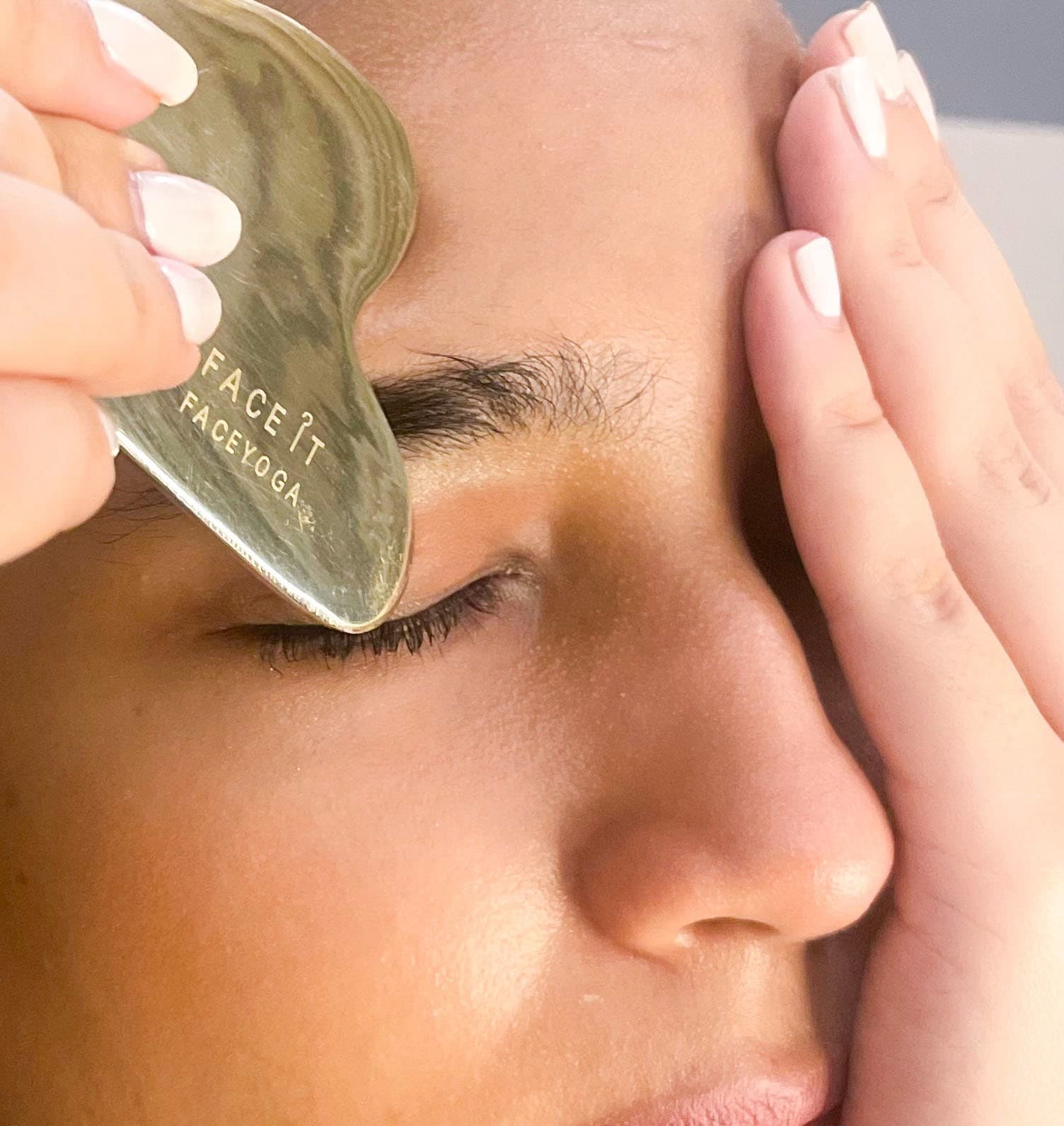
Facial massage works through touch.
Gentle massage can be used as part of a relaxing ritual and may help you become more aware of areas where you habitually hold tension.
Different techniques can also be incorporated into a facial wellness routine, including gentle lymphatic-style movements.
Why combine them?
Think of it this way:
- Face yoga = movement
- Facial massage = touch
- Face wellness = the bigger picture
Rather than choosing one over the other, a holistic facial wellness practice can bring different techniques together depending on what your face and body need.
Some days you may benefit from movement and activation.
Other days, you may simply need to soften, breathe and release.
Your face is not a project to fix
This is at the heart of my approach.
Face wellness isn't about chasing perfection or trying to freeze the way you look.
It's about developing a more conscious relationship with your face — noticing tension, movement, posture and habits, and creating simple rituals that help you feel more connected to yourself.
Try this:
Before your next facial exercise, spend one minute simply relaxing your jaw, softening your forehead and taking a few slow breaths.
Then begin.
You may notice that the quality of the movement changes when you start from a place of ease.